
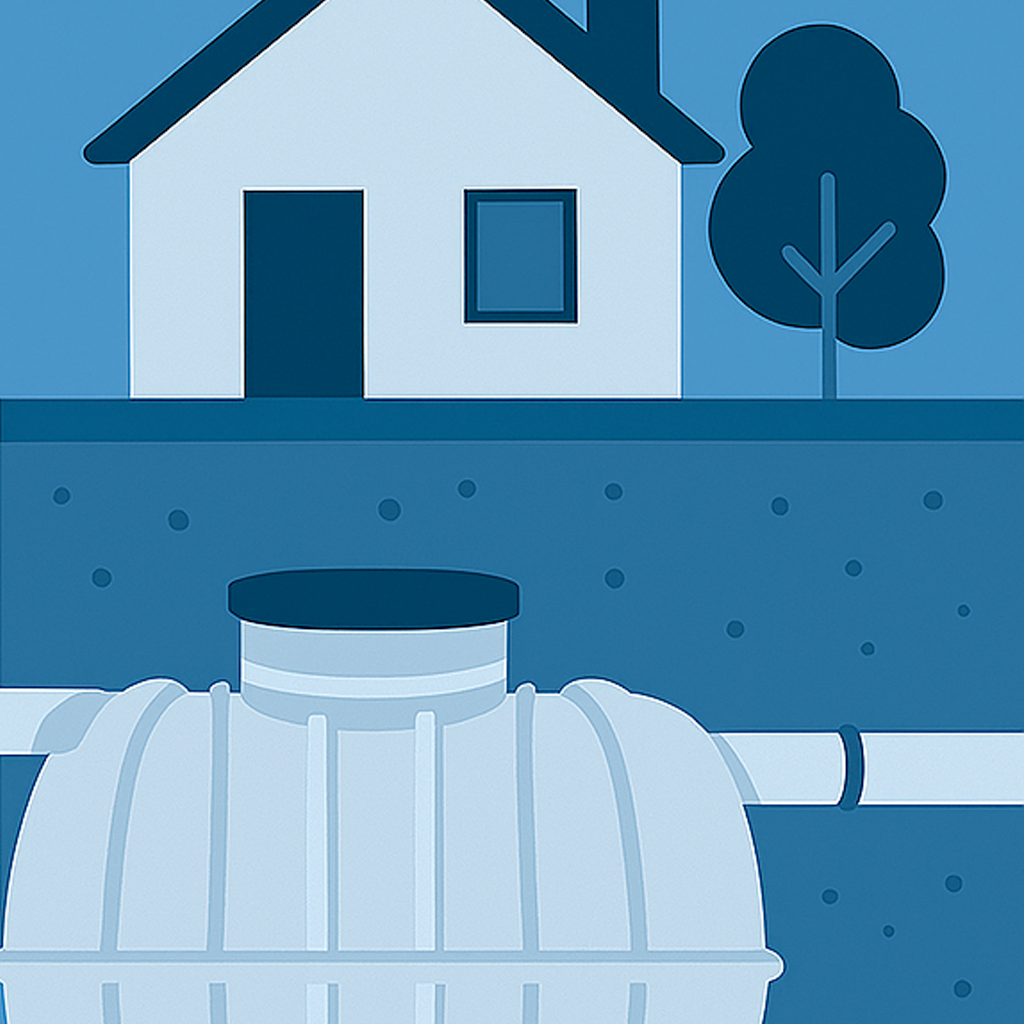
Septic Tank Compliance in the UK: What You Need to Know and When to Replace Yours
For rural homes and properties in Devon, Cornwall, Somerset & Dorset not connected to the mains drainage system, septic tanks offer an effective solution for managing wastewater. However, with stricter UK regulations introduced in recent years, it’s essential that homeowners and businesses stay compliant to avoid fines, environmental damage, and system failure.
At Robert Fox & Sons, we specialise in septic tank installations, inspections, servicing, and replacements across Devon, Cornwall, Somerset and Dorset. In this guide, we break down the latest compliance requirements and explain how to know when it’s time to replace your septic tank.
UK Septic Tank Regulations: The Basics
The UK’s General Binding Rules (introduced by the Environment Agency in 2015 and updated in 2020) govern how septic tanks discharge and treat sewage. The key points to be aware of are:
✅ Discharge Regulations
- Septic tanks must not discharge directly into surface water (such as a river, stream, or ditch). If your tank does, it is non-compliant and must be replaced or upgraded—usually to a sewage treatment plant or a system with a drainage field (soakaway).
- Discharge must be to ground via a correctly sized and functioning drainage field, designed in line with BS 6297:2007 standards.
✅ Registration & Consent
- Most domestic discharges of under 2,000 litres per day don’t require a permit—but must still meet the binding rules.
- Larger or commercial discharges may need an Environment Agency permit.
✅ Maintenance and Servicing
- Systems must be desludged at least once a year by a registered waste carrier.
- The tank must be in good working order with no signs of leaks, smells, or pollution.
Signs Your Septic Tank Needs Replacing
Over time, even well-maintained septic tanks can deteriorate. Here’s when you should consider a replacement:
1. Your Tank Discharges to Surface Water
If your tank discharges into a river, stream, or open watercourse, it’s no longer compliant and must be replaced or upgraded immediately.
2. Structural Damage
Cracks, collapses, or signs of serious corrosion in concrete or metal tanks can cause contamination or system failure. These are serious safety and environmental concerns.
3. Persistent Smells or Overflows
Backups, foul odours, or pooling sewage around the tank or drainage field often point to system overload or failure.
4. Non-compliant Location or Access
If your tank is too close to buildings, water sources, or inaccessible for maintenance, it may need to be relocated and replaced.
5. Age of the System
Many tanks installed before the 1980s no longer meet current standards or suffer from reduced efficiency. If your system is more than 30–40 years old, a professional inspection is strongly advised.
What Are Your Replacement Options?
If your system is non-compliant, you may need to:
- Upgrade to a sewage treatment plant, which treats effluent to a higher standard and allows safe discharge to a watercourse.
- Install a new drainage field so the tank can safely discharge to ground.
- Replace the tank entirely with a modern compliant unit.
At Robert Fox & Sons, we offer full diagnostics, advice, and professional installations across the South West—including Torquay, Paignton, Brixham, Newton Abbot, Exeter, and rural locations.
Speak to the Experts
Whether you’re unsure about your tank’s compliance, need urgent maintenance, or are planning a new installation, our experienced team is here to help 24/7.
📞 Call us on 07577 258113 or
📩 Contact us online to book a free consultation or site visit.